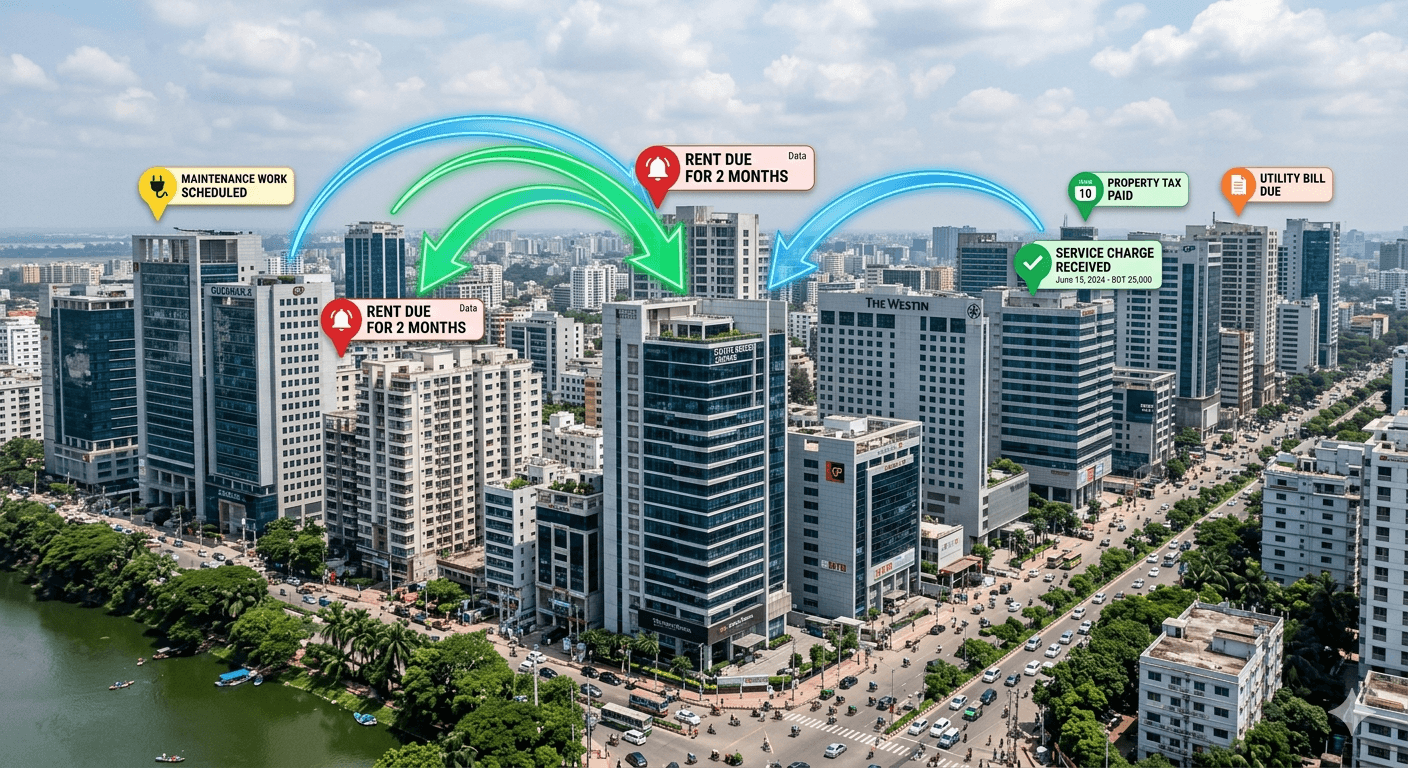
The Ultimate DNCC Compliance Guide for Dhaka Landlords
Why Compliance Matters More Than Ever
Three changes have made DNCC compliance non-negotiable:
1. Digital records. DNCC now cross-references property tax payments against building permits. Properties with discrepancies get flagged automatically.
2. Mobile inspection teams. Spot-check teams now operate across all wards without prior notice.
3. Holding tax arrears attract interest. Unpaid holding tax accrues 2% monthly interest, compounding what started as a minor shortfall into a major liability.
The Complete DNCC Compliance Checklist
1. Holding Tax (হোল্ডিং ট্যাক্স)
- [ ] Annual holding tax assessment completed and current
- [ ] Tax paid by the due date each year (typically March–June)
- [ ] Assessment reflects current building usage (residential/commercial/mixed)
- [ ] No arrears from prior years — check your holding number history
Action if behind: Visit your ward's DNCC office with your holding number. Arrears can be paid with accrued interest. A payment plan may be possible for large amounts.
2. Building Permit and Plan Compliance
- [ ] Original building permit from RAJUK on file
- [ ] Building constructed as per approved plan (no unauthorized extensions on rooftop or ground floor)
- [ ] Any modifications post-construction have been approved or are being regularized
3. Utility Connections
- [ ] WASA water connection in building owner's name (not an informal tap)
- [ ] DESCO/DPDC electricity connection with valid commercial or residential tariff
- [ ] Gas connection (if applicable) registered with Titas Gas
4. Waste and Sanitation
- [ ] Designated dustbin/waste collection point identified
- [ ] Waste disposed through DNCC-registered waste collector (not dumped on street or drain)
- [ ] Drainage system connected to municipal drain, not open road drain or khaal
5. Signage and Building Number
- [ ] Building number plate visible from street
- [ ] Building owner's name visible on main gate (required for residential buildings above 4 storeys in many wards)
6. Rooftop and Common Area
- [ ] No permanent construction on rooftop beyond approved staircase/lift machine room
- [ ] Water tank properly covered (mosquito breeding prevention)
- [ ] Fire safety compliance: at least one ABC-type fire extinguisher per floor for buildings above 4 storeys
7. Trade License (if applicable)
- [ ] If any commercial unit in the building, trade license current for that tenant
- [ ] Commercial units using correct electricity tariff (commercial, not residential)
Annual Compliance Calendar
| Month | Action Required |
|---|---|
| January | Review holding tax assessment for upcoming year |
| February–March | Pay holding tax before deadline |
| April | Fire extinguisher inspection and servicing |
| June | WASA bill audit — ensure no irregular connections |
| October | Rooftop inspection before monsoon damage claims |
| December | Annual caretaker training on waste disposal rules |
Maintaining a simple compliance file — with holding tax receipts, permits, and utility connection papers — transforms a potentially stressful inspection into a routine conversation. Start building yours today.
Ready to simplify your building management?
Join thousands of property managers across Bangladesh.
Get started free